
Understanding the psychology behind casino players' decisions
The Allure of Casinos: Understanding Motivation
The psychology behind why individuals flock to casinos, both online and land-based, is complex and multifaceted. One of the primary motivations for players is the thrill of risk-taking. Engaging in games of chance offers an adrenaline rush that many find irresistible. This exhilaration often leads to a cycle of excitement that can be hard to resist, as winning creates a dopamine response in the brain, reinforcing the behavior. The anticipation of a win keeps players returning, eager for the next big jackpot. For those interested in exploring more, visit https://pinco-online.vip/ to discover various gaming options.

Furthermore, the social environment within casinos, particularly in land-based settings, plays a crucial role in decision-making. People often enjoy the communal aspect of gaming, sharing moments of triumph and loss with others. This sense of belonging can enhance the overall experience, making players feel more engaged and likely to return. In contrast, online casinos provide social interaction through live dealer games, allowing players to connect virtually while maintaining the excitement of a traditional casino atmosphere.
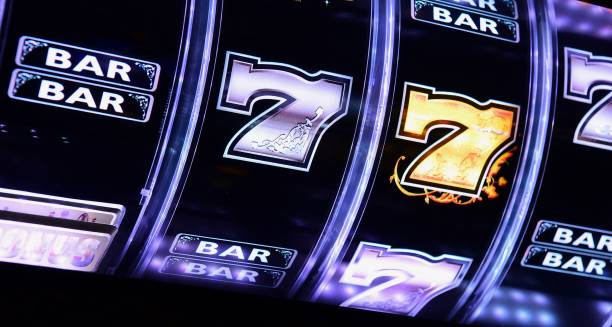
The design and ambiance of casinos are also tailored to influence player psychology. Bright lights, ringing slot machines, and free drinks are all strategic choices intended to keep players entertained and spending money. These sensory elements create a stimulating environment that encourages prolonged play, tapping into the human instinct to seek pleasure and avoid boredom. Overall, understanding these motivating factors can help casinos tailor their offerings to attract and retain players effectively.
The Role of Cognitive Biases in Gambling Decisions
Cognitive biases significantly influence players’ decisions in casinos, leading them to make choices that may not align with logical reasoning. For example, the gambler’s fallacy is a common phenomenon where players believe that past outcomes will affect future results. A player may feel that a slot machine is “due” for a win after a series of losses, despite the randomness of the game. This distorted perception can lead to increased betting, as individuals chase their perceived losses. The allure of the Pinco Club often amplifies these biases, drawing players in.
Another notable bias is the illusion of control, where players believe they can influence the outcome of games based on their skill or strategies. For instance, in games like poker, players may overestimate their abilities, leading them to make riskier bets. This self-overestimation can escalate the gambling experience, making it more thrilling yet potentially more costly. Both biases serve to entrench players deeper into the casino experience, as they often feel a false sense of mastery over luck and chance.
These cognitive biases can create a cycle of behavior that is difficult to break. Players may rationalize their losses by attributing them to short-term bad luck rather than recognizing the inherent unpredictability of gambling. This mindset can lead to persistent play, as players continue to seek the elusive win that they believe will validate their approach. Understanding these biases can provide insight into how casinos can develop responsible gaming practices while enhancing the player experience.
Emotional Decision-Making in Gambling
Emotional factors play a significant role in how players make decisions while gambling. Many individuals turn to casinos as an escape from daily stressors, seeking thrill and distraction. The excitement of gambling can evoke strong emotions, from exhilaration during wins to frustration during losses. These emotional highs and lows are a significant part of the gaming experience, affecting the choices players make in the moment.
Players often find themselves in emotional states that cloud judgment, leading to impulsive decisions. After a loss, for instance, the desire to recover quickly can lead to further betting, often resulting in more significant losses. Alternatively, after a win, players might feel invincible, prompting them to take risks they normally wouldn’t. This emotional rollercoaster makes it challenging for players to maintain a balanced approach to their gambling habits.
Furthermore, casinos are aware of this emotional aspect and often use it to their advantage. Promotions and bonuses can be strategically designed to play on emotions, encouraging players to continue gambling even when they should take a break. By fostering an emotional connection with players through rewards and incentives, casinos create a compelling atmosphere that encourages ongoing engagement, ultimately impacting players’ long-term decision-making.
The Influence of Environment on Player Behavior
The physical environment of a casino can profoundly impact player behavior and decision-making. In land-based casinos, the layout is meticulously designed to facilitate movement and maximize engagement. The proximity of games, the sounds of winning, and even the fragrance of the air can all contribute to a stimulating atmosphere that entices players to stay longer and spend more. This crafted environment is meant to create an experience that feels both luxurious and exhilarating.
In online casinos, the design elements shift, but the underlying principles remain the same. User-friendly interfaces, attractive visuals, and engaging themes create a digital environment that holds players’ attention. Features like live dealer games mimic the social interaction of physical casinos, while the convenience of playing from anywhere adds to the appeal. The ease of access can sometimes lead to overindulgence, as players may underestimate their time and financial investments.
Both environments create a sense of urgency that can influence decision-making. Time may seem irrelevant when enveloped in the excitement of a game, leading players to make impulsive bets or play longer than intended. Understanding these environmental influences can help casinos tailor their experiences, ensuring that players are both entertained and kept within responsible gambling boundaries.
Exploring Pinco Casino: A Tailored Gaming Experience
Pinco Casino exemplifies the modern gaming experience, blending the best aspects of both online and land-based environments. The platform is designed to provide an engaging atmosphere that caters to diverse player preferences, from high-stakes table games to immersive slots. Pinco’s VIP program is particularly noteworthy, offering tailored rewards that enhance the gaming experience, giving players incentives to engage with the platform continuously. The Pinco Casino Vip experience is specifically crafted to meet the needs of dedicated players.
The psychological aspects of player engagement are well understood at Pinco Casino. The structured loyalty system incentivizes players to return, fostering a sense of accomplishment and recognition. This aligns with the discussed factors of social interaction and emotional connection, ensuring that players feel valued and part of a community. Such strategies not only encourage player retention but also promote responsible gaming practices.
By combining engaging gameplay with an understanding of player psychology, Pinco Casino aims to elevate the online gaming experience. The commitment to creating a rewarding environment mirrors the psychological motivations discussed, providing players with not just entertainment but a well-rounded experience that keeps them coming back for more. Pinco Casino represents a modern understanding of gaming psychology, ensuring a thrilling yet responsible gaming journey with the support of the Pinco Vip Club.
