
How to Open a Business: A Comprehensive Guide
Starting your own business can be an exhilarating yet challenging journey. It requires not only a solid business idea but also meticulous planning, dedication, and resilience. In this article, we will outline steps essential for anyone looking to launch their own business, from conceptualization to execution.
1. Ideation: Finding Your Business Idea
Every successful business starts with a great idea. To find a viable business idea, consider the following:
- Identify your passions and interests. What are you knowledgeable about? What excites you?
- Research market trends to identify gaps in the market or emerging industries.
- Consider your skills and expertise. What unique offering can you bring to the market?
Once you have a list of ideas, conduct market research to evaluate their feasibility and potential profitability.
2. Creating a Business Plan
A well-thought-out business plan is crucial to your success. It serves as a roadmap for your business and is essential for securing funding. Your business plan should include:
- Executive Summary: Overview of your business, including your mission statement and what makes your business unique.
- Market Analysis: Research on your industry, target market, and competitors.
- Organization and Management: How your business will be structured and who will run it.
- Service or Product Line: Descriptions of what you sell or the services you offer.
- Marketing and Sales Strategy: How you plan to attract and retain customers.
- Funding Request: How much money you need to start and operate your business.
- Financial Projections: Predictions of your revenue and expenses for the next few years.
Your business plan can also help you identify potential challenges and develop strategies to overcome them.
3. Financing Your Business
Once you have your business plan, it’s time to conquer the financial aspect of starting a business. Consider the following financing options:
- Personal Savings: Using your own money is often the quickest way to finance your startup.
- Loans: Small business loans from banks or credit unions can provide the funding you need.
- Investors: Attracting investors can help secure funds, but they may want equity in return.
- Crowdfunding: Platforms like Kickstarter allow you to raise money from the public for your idea.
Consider the pros and cons of each option carefully, and choose what best fits your business needs.
4. Legal Structure and Registration
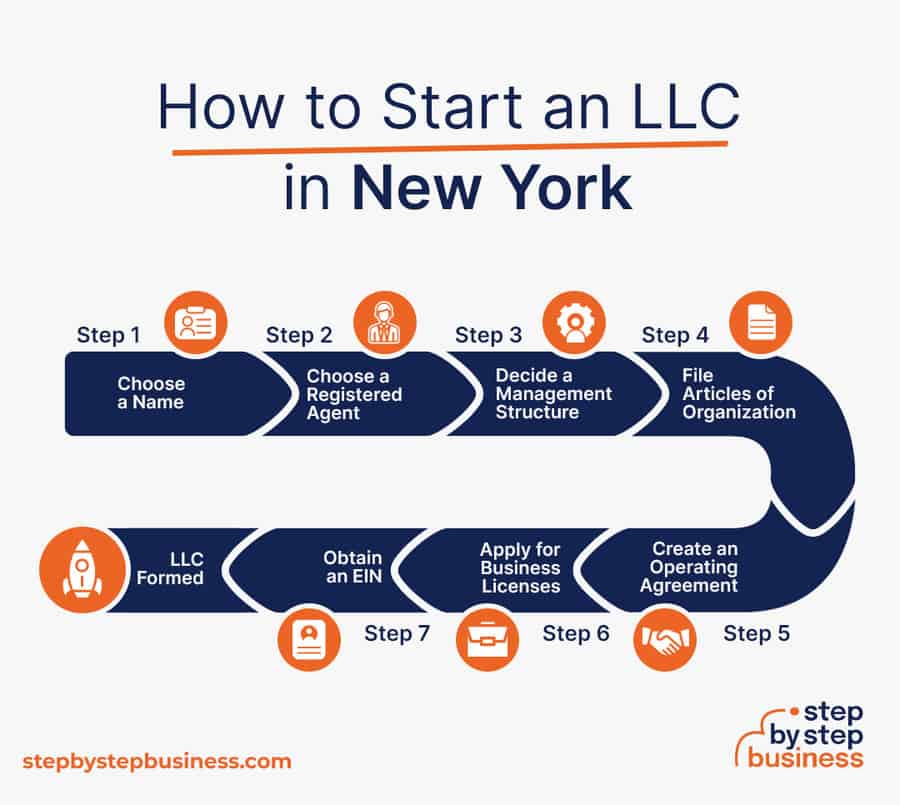
Selecting your business’s legal structure is a vital step. Options include sole proprietorship, partnership, corporation, or limited liability company (LLC). Each structure has its pros and cons regarding taxes, liability, and administrative complexity.
Once you choose a structure, you will need to register your business. This involves naming your business, filing the necessary documents, and obtaining licenses or permits required in your industry and location.

5. Setting Up Your Business Location
Your business location affects your customer base, sales, and operational efficiency. Consider:
- Physical vs. Online Presence: Decide if you need a physical storefront or if you can operate online.
- Accessibility: Ensure your location is convenient for your target market.
- Cost: Analyze rent or purchase costs versus budget.
For online businesses, focus on creating an easy-to-navigate website and consider e-commerce platforms.
6. Building Your Brand
Your brand is how customers perceive your business. Building a strong brand involves:
- Creating a unique logo and brand colors.
- Establishing your tone of voice and message.
- Designing consistent marketing materials.
A strong brand can foster customer loyalty and differentiate you from competitors.
7. Marketing and Promotion
Once your business is up and running, you need customers. Develop a marketing strategy that includes online and offline tactics. Consider:
- Social Media Marketing: Promote your business on platforms such as Facebook, Instagram, and LinkedIn.
- Email Marketing: Build a mailing list and update potential customers about your offerings.
- Content Marketing: Create valuable content that attracts potential customers to your website.
- Networking: Attend industry events to meet potential clients and other entrepreneurs.
Keep track of your marketing efforts to understand what works and adjust your strategy accordingly.
8. Managing Your Business
Once your business is operational, maintaining effective management is crucial. This includes:
- Financial Management: Keep track of expenses, sales, and profits using accounting software.
- Customer Service: Maintain a high level of customer service to retain clients.
- Employee Management: If you have staff, ensure clear communication and provide proper training.
Regularly review your business processes for efficiency and adjust as needed.
9. Adapting and Evolving
The business landscape is always changing, so it’s vital to stay flexible. Monitor market trends and be open to feedback from customers and employees. Continuous learning and adaptation will help you thrive in the long run.
Conclusion
Starting a business is a complex but rewarding process. By following these steps, you can navigate the challenges and increase your chances of success. Remember that every business experience is unique, and adaptability is key. Seek support from mentors and networks, and never hesitate to reach out for advice.
If you’re looking for more steps on opening a business page on social media platforms, check out this How to Open a Business Page on Facebook: Step-by-Step Guide https://crazyfb.shop/en/page/kak-otkryt-biznes-stranicu-v-facebook-poshagovoe-rukovodstvo.
